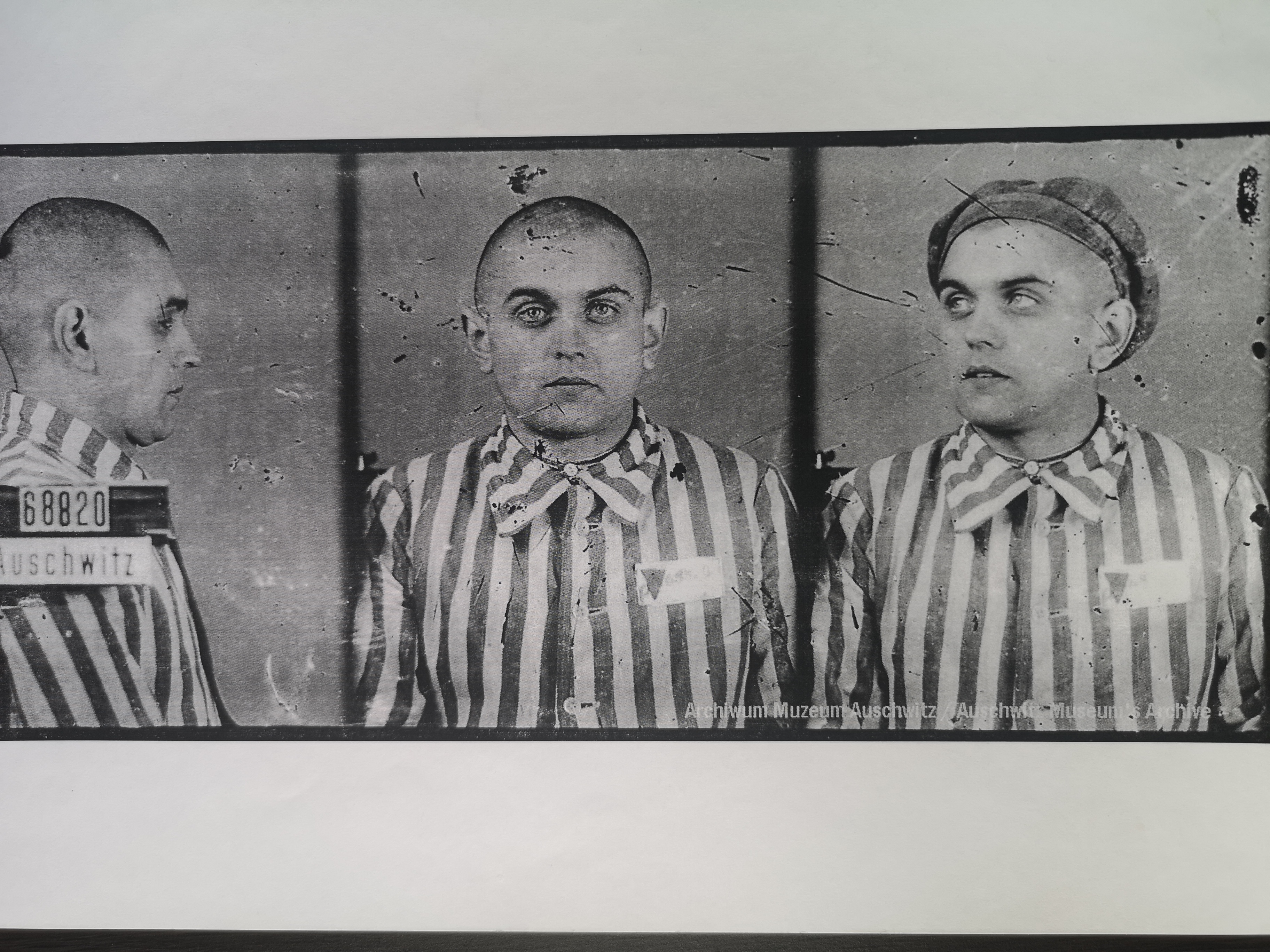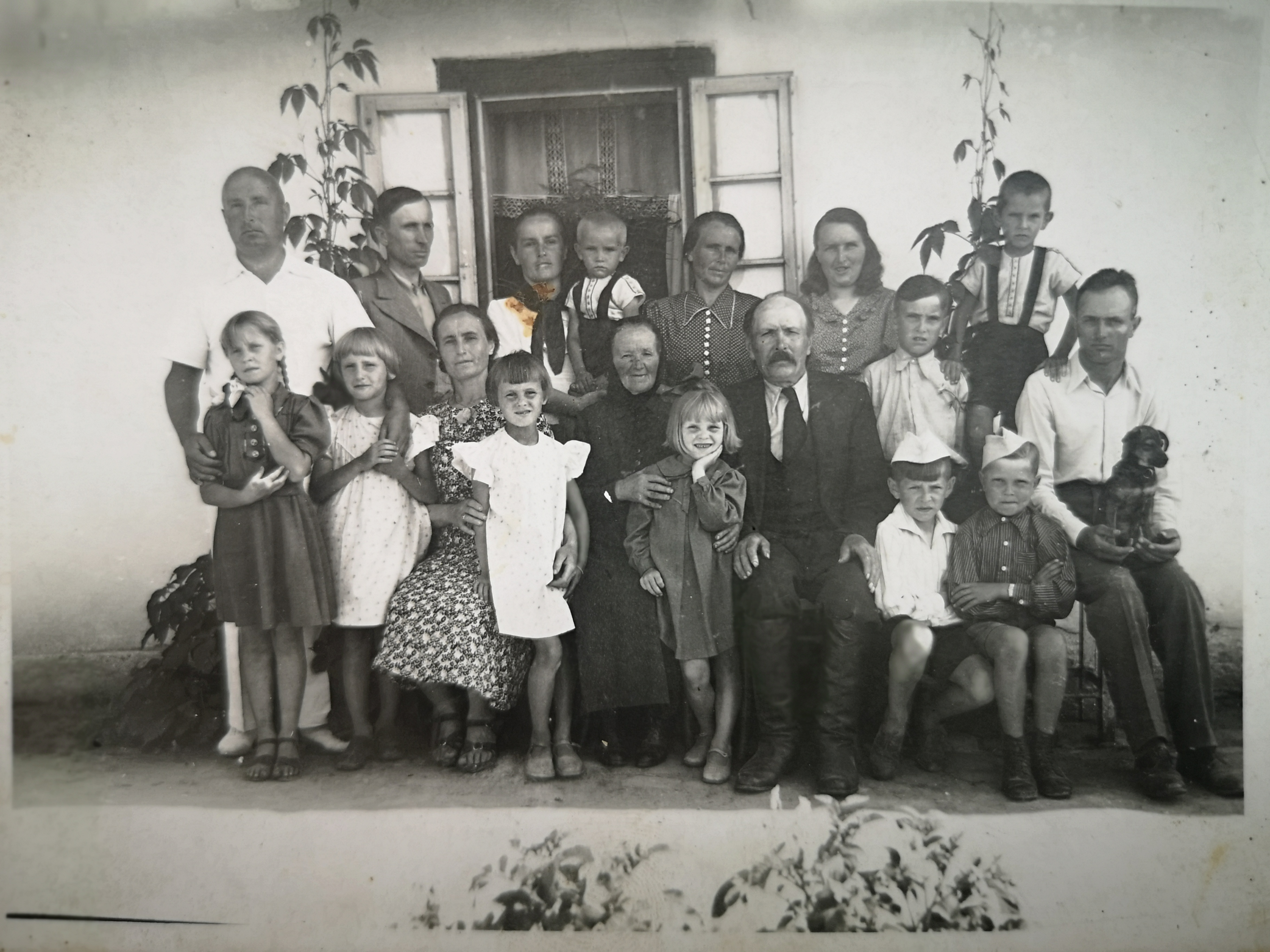
TOMASZ KOWALCZYK was born in 1937 in Zamość. From birth to today, he lives in a part of the city called "Karolówka". From the times of war and occupation he has many memories, memories seen "through the eyes of a child." As a five-year-old, he observed hair-raising scenes that took place in a prisoner-of-war camp for Russians, which the Germans located in this district.
His father - Feliks, was a railwayman, and his mother - Janina, looked after the house and children (Tomasz had a brother Jan). When the war broke out, his father was often away. From 1943, parents were probably active in the resistance. Father provided partisans with information on trains running and took part in blowing up a warehouse with ammunition and food for the Germans. After this event he stayed "in the woods". He took an oath in the branch of "Poplar" (Polish Home Army) and since then he has rarely been in the house that his mother ran with the help of grandparents who lived at the other end of the city.
Tomasz often went to the city with his mother and relatives. The sunny day of June 23, 1943 turned out to be unlucky - they were returning home with his mother when a German patrol stopped them. They were revised and ... mother paid for it with her life. She was so afraid that after returning to the apartment she collapsed and died in front of the child. Father was at a funeral. Mr. Tomasz remembers carrying him and his brother in father’s arms ...
A year after my mother's death, his father fell in the battle of Osuchy (June 25, 1944)
The grandparents and aunt and uncle took care of the children who stayed at Karolówka.
Little Tomasz often covered a huge distance, as for a child, between Karolówka and Szwedzka or Reymonta streets, which lay at the other end of the city. Wandering to relatives like this, he passed a POW camp, passed German patrols, troops, but fortunately no one accosted him.
He has a lot of pictures in his head: the wooden buildings of Zamość, which are gone, hospital buildings, tenement houses at Lubelska street. He also remembered people as neighbors from Karolówka. As a child, he heard that someone was killed, someone was taken to Germany by the Germans for work or to Auschwitz.
As an adult, he decided to commemorate them with publication, and later - with the help of friendly people - with a board with names in the church at Karolówka.
It was tedious research work. In the publication, he collected biographies with photos of Karolówka residents who died during World War II in various circumstances. There is also information and photographs of his parents.
In the post-war times, he graduated from the Mechanical and Electrical Technical School and worked for 45 years at the Power Plant in Zamość. He founded a family. Zamość is a love of his life and he knows almost everything about the city. He knows every corner, every street ... He is fascinated not so much by the Old Town as by the places around.
His father - Feliks, was a railwayman, and his mother - Janina, looked after the house and children (Tomasz had a brother Jan). When the war broke out, his father was often away. From 1943, parents were probably active in the resistance. Father provided partisans with information on trains running and took part in blowing up a warehouse with ammunition and food for the Germans. After this event he stayed "in the woods". He took an oath in the branch of "Poplar" (Polish Home Army) and since then he has rarely been in the house that his mother ran with the help of grandparents who lived at the other end of the city.
Tomasz often went to the city with his mother and relatives. The sunny day of June 23, 1943 turned out to be unlucky - they were returning home with his mother when a German patrol stopped them. They were revised and ... mother paid for it with her life. She was so afraid that after returning to the apartment she collapsed and died in front of the child. Father was at a funeral. Mr. Tomasz remembers carrying him and his brother in father’s arms ...
A year after my mother's death, his father fell in the battle of Osuchy (June 25, 1944)
The grandparents and aunt and uncle took care of the children who stayed at Karolówka.
Little Tomasz often covered a huge distance, as for a child, between Karolówka and Szwedzka or Reymonta streets, which lay at the other end of the city. Wandering to relatives like this, he passed a POW camp, passed German patrols, troops, but fortunately no one accosted him.
He has a lot of pictures in his head: the wooden buildings of Zamość, which are gone, hospital buildings, tenement houses at Lubelska street. He also remembered people as neighbors from Karolówka. As a child, he heard that someone was killed, someone was taken to Germany by the Germans for work or to Auschwitz.
As an adult, he decided to commemorate them with publication, and later - with the help of friendly people - with a board with names in the church at Karolówka.
It was tedious research work. In the publication, he collected biographies with photos of Karolówka residents who died during World War II in various circumstances. There is also information and photographs of his parents.
In the post-war times, he graduated from the Mechanical and Electrical Technical School and worked for 45 years at the Power Plant in Zamość. He founded a family. Zamość is a love of his life and he knows almost everything about the city. He knows every corner, every street ... He is fascinated not so much by the Old Town as by the places around.
HISTORICAL FACTS IMPORTANT FOR BIOGRAPHY:
1. POW (prisoner-of-war) camp at Karolówka. In the Karolówka housing estate from July to December 1941, a German Stalag 325 prisoner-of-war camp operated. In prison under inhuman conditions there was about 18 thousand soldiers of the Red Army. Nearly 16,000 of them died of hunger and disease or were killed by the German crew after an attempted rebellion in November 1941. The victims of the German crime are buried at the war cemetery on Szwedzka str. In Zamość.
2. Partisan Branch of Second Lieutenant Jan Kryk "Topola" was stationed in Helacin Wielki. Nearby, in the years 1943–44 there was a "forest" non-commissioned school and a partisan hospital, as well as the bunker of the commander Lieutenant "Wira"
3. The Battle of Osuchy - 24-26 June 1944. It took place in the forests of the Solska Forest and was the culmination of the German anti-partisan action Sturmwird II. About 300 fallen participants of the battle were buried at the cemetery by the road from Józefów to Łukowa north of Osuchy.
1. POW (prisoner-of-war) camp at Karolówka. In the Karolówka housing estate from July to December 1941, a German Stalag 325 prisoner-of-war camp operated. In prison under inhuman conditions there was about 18 thousand soldiers of the Red Army. Nearly 16,000 of them died of hunger and disease or were killed by the German crew after an attempted rebellion in November 1941. The victims of the German crime are buried at the war cemetery on Szwedzka str. In Zamość.
2. Partisan Branch of Second Lieutenant Jan Kryk "Topola" was stationed in Helacin Wielki. Nearby, in the years 1943–44 there was a "forest" non-commissioned school and a partisan hospital, as well as the bunker of the commander Lieutenant "Wira"
3. The Battle of Osuchy - 24-26 June 1944. It took place in the forests of the Solska Forest and was the culmination of the German anti-partisan action Sturmwird II. About 300 fallen participants of the battle were buried at the cemetery by the road from Józefów to Łukowa north of Osuchy.